January 29, 2026
The significance of timely auto repairs cannot be overstated when it comes to maintaining a vehicle's health and preventing expensive engine problems. Proactive maintenance measures can often identify small issues before they escalate into significant failures, saving vehicle owners from hefty repair bills. By staying on top of regular maintenance and promptly addressing warning signs, car owners can significantly extend the life of their vehicles while ensuring safety and reliability. Ignoring minor issues, on the other hand, can lead to catastrophic engine damage that costs thousands of dollars to repair. Ultimately, the proactive approach of timely auto repairs not only safeguards your investment but also enhances your driving experience.
Performing Regular Oil Changes
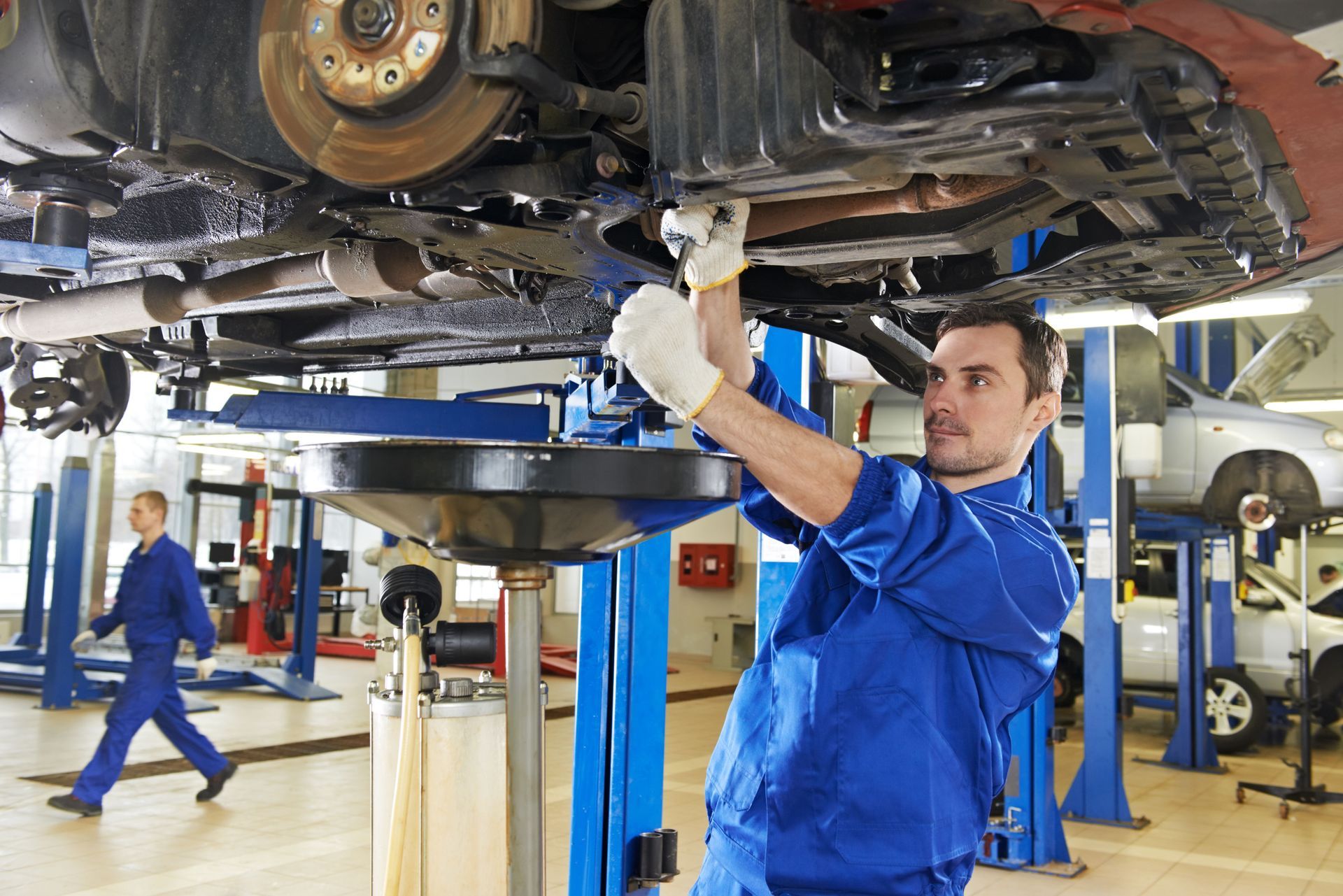
Regular oil changes are a fundamental aspect of vehicle maintenance. They ensure that the engine runs smoothly by providing necessary lubrication to its components, thus preventing friction and wear. Over time, engine oil can become contaminated with dirt and debris, which reduces its efficiency and can lead to engine damage.
Checking and Replacing Air Filters
Air filters play a crucial role in protecting the engine from dirt and debris while ensuring proper air intake, necessary for optimal combustion. When air filters become clogged or dirty, they restrict airflow, leading to decreased engine performance and lower fuel efficiency. Routine checks and replacement of air filters ensure that the engine breathes efficiently, maximizing power and longevity. By maintaining clean air filters, engine stress and potential damage are mitigated, prolonging the vehicle’s life. Failure to replace air filters can lead to increased wear and tear and costly repair needs that often require auto repairs.
Monitoring Coolant Levels
Coolant helps regulate engine temperature, preventing overheating and potential engine damage. Regularly monitoring and maintaining proper coolant levels is essential to avoid the risk of thermal breakdown, which can lead to significant repair expenses. Over time, coolant can degrade and become contaminated, necessitating periodic flushing and refilling. Ensuring that the cooling system is functioning correctly is vital, especially in extreme temperature conditions, to safeguard against engine stress. Regular monitoring helps detect leaks or blockages that could otherwise go unnoticed until substantial damage occurs.
Inspecting Belts and Hoses
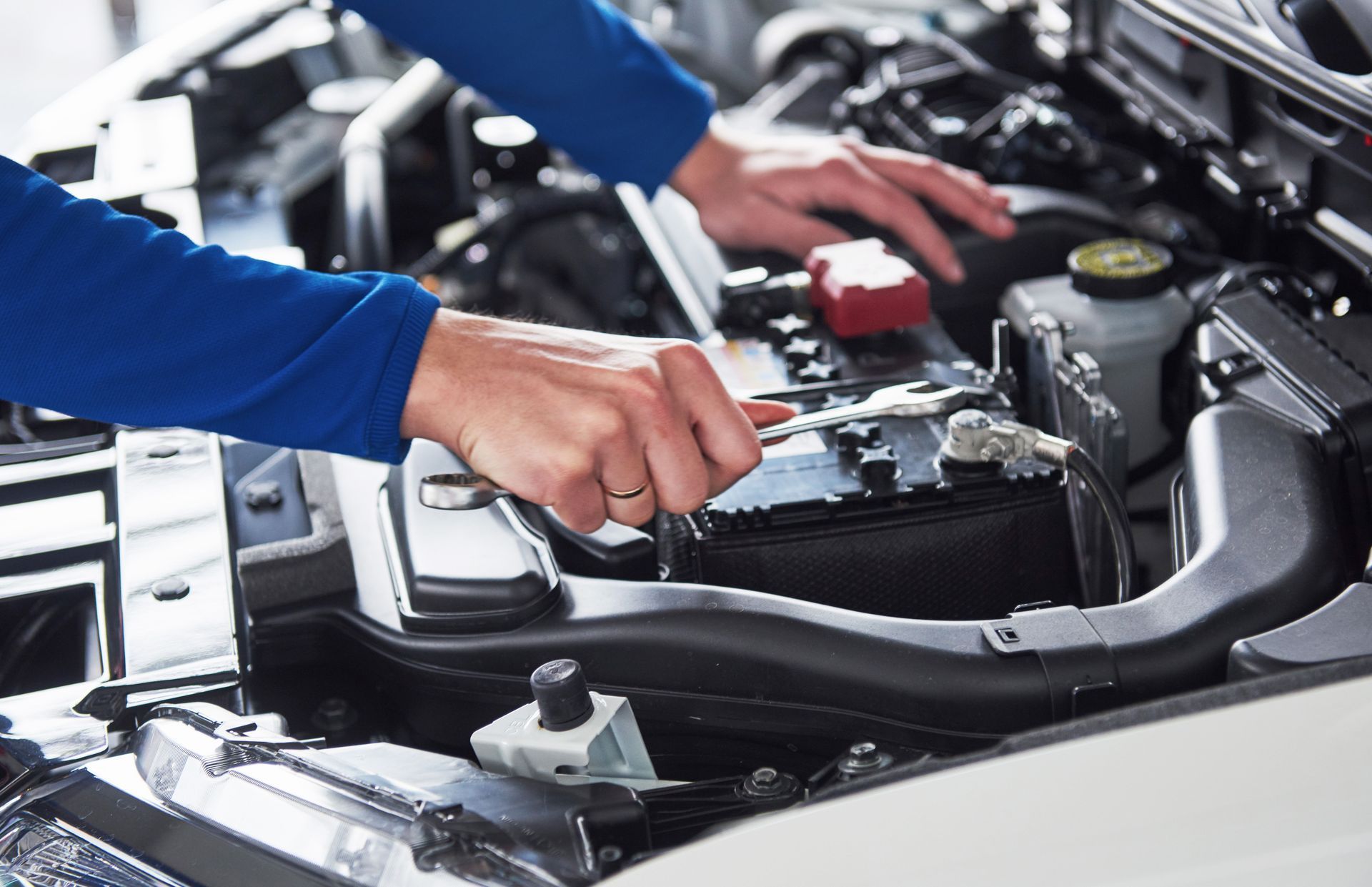
Belts and hoses are critical to the operation of various components within a vehicle, including the engine's cooling, air conditioning, and charging systems. Over time, belts can wear down or crack, while hoses can degrade and develop leaks. Regular inspection and timely replacement of worn belts and hoses prevent unexpected breakdowns and costly engine damage. These components should be checked every time the oil is changed, ensuring they remain in good condition to perform their necessary functions. Addressing these issues early prevents them from culminating in more extensive and expensive repairs down the line.
Listening for Unusual Engine Noises
Listening to your vehicle can be an effective diagnostic tool to identify potential engine issues. Unusual noises such as knocking, tapping, or squealing can indicate underlying mechanical problems that require immediate attention. These sounds might suggest worn-out engine components, problems in the valve train, or issues with the engine’s lubrication system. Ignoring unusual engine noises can result in more complex issues that are costly to repair and may require extensive auto repairs. Therefore, addressing these noises promptly can prevent significant engine damage and maintain the car's performance.
Noticing Engine Vibration or Shaking
Feeling unusual vibrations or shaking while driving can be an early symptom of engine trouble. These vibrations might result from misfires, ignition issues, or problems within the fuel system. Investigating the cause of these vibrations can prevent further damage to the engine and increase driving safety. Often, vibrations signal imbalanced components or excessive wear that can lead to more severe engine issues if not properly addressed. Ensuring these symptoms are quickly examined and resolved can prolong engine life and reduce the risk of costly repairs.
Observing Oil Leaks
Oil leaks, often evidenced by spots under where a vehicle is parked, can indicate serious engine issues. Leaks can result from worn gaskets or damaged seals and pose problems if the oil level drops significantly, risking engine damage due to lack of lubrication. Inspecting for and promptly repairing oil leaks is crucial to prevent further mechanical failures or major engine repairs. Regularly checking under the hood for leaks or unusual residue can help detect issues early. Resolving oil leaks maintains optimal engine function and prevents potential costly damage.
Choosing a Reputable Mechanic
Having a reliable mechanic is essential for maintaining the quality and longevity of a vehicle. A skilled professional has the knowledge and equipment needed to accurately diagnose and resolve issues without recommending unnecessary services. Trustworthy mechanics also offer helpful guidance on proper vehicle care, supporting long-term performance and durability. Selecting a reputable service provider gives vehicle owners confidence that their maintenance needs will be handled honestly and according to industry standards. According to Kelley Blue Book, vehicles should be inspected by a qualified mechanic at least every 12 months to identify potential problems, helping ensure emerging issues are addressed promptly and reducing the likelihood of major auto repairs.
Using Detailed Inspection Checklists
Comprehensive inspection checklists serve as a guideline for ensuring thorough examination and maintenance of vehicles. This checklist assists mechanics in systemically reviewing every aspect of the vehicle, from fluids to mechanical components, ensuring no element goes unchecked. Such detailed inspections are instrumental in early detection of potential issues that could result in substantial engine damage if neglected. A structured checklist reassures vehicle owners that every critical aspect of their vehicle has been examined, reinforcing confidence in vehicle safety and longevity. By systematically following these checklists, potential weaknesses are addressed proactively, preventing more extensive issues.
Establishing a Maintenance Schedule
Consistently adhering to a maintenance schedule is one of the most effective strategies for preventing engine damage. A well-structured schedule involves regular checks and servicing in line with manufacturer guidelines, covering aspects like oil changes and brake inspections. This routine helps identify wear and tear early, before they develop into significant and expensive engine problems. Keeping maintenance records assists in evaluating when specific parts require attention or replacement, ensuring nothing is overlooked. Following a consistent maintenance schedule provides the best defense against unexpected breakdowns and ensures vehicle reliability.
Using Quality Fuel and Additives
Quality fuel and engine additives play important roles in maintaining optimal engine performance and cleanliness. Poor-quality fuel can lead to deposits and buildup in the engine, reducing efficiency and causing misfires or knocks over time. Utilizing high-quality fuel and additives aids in cleaning internal components, ensuring efficient combustion and reduced emissions. Fuel system cleaners can also provide additional lubrication and protection for fuel injectors and other vital components. Ensuring that a vehicle is always fueled with quality options is a preventive measure against unnecessary engine repairs and disruptions.
Timely auto repairs and consistent maintenance play a vital role in preserving engine performance, preventing costly breakdowns, and ensuring overall driving safety. By prioritizing routine maintenance, staying alert to early warning signs, and relying on professional inspections, vehicle owners can avoid unnecessary engine damage and extend the life of their vehicles. Proactive care not only protects your investment but also delivers greater reliability and peace of mind on the road. When maintenance becomes a habit rather than a reaction, long-term vehicle health is far easier to achieve.
If your vehicle is showing signs of wear or it’s time for routine service, Ultimate Auto Care is ready to help. Contact Ultimate Auto Care today to schedule an inspection and keep your vehicle running safely, efficiently, and reliably for years to come.